The emergence of virtual reality (VR) technology has been incredibly exciting, but at the same time, it’s hard not to feel a sense of missed opportunity. With the pandemic and the shift to online learning, many teachers and students have struggled to adapt to the limitations of remote education. If VR technology had been more widely available and accessible a few years ago, it could have provided a way for students to continue their education in a more interactive and engaging way.
Recently, I have been thinking a lot about the potential of VR for education, especially with the release of the Oculus Quest 2. This device is now in so many homes that it’s possible to connect “in person” with others through VR in a way that wasn’t possible before. One application that I find particularly interesting is Rec Room, which allows users to create avatars, play games, and communicate with one another in a virtual space.
I can’t help but wonder what it would have been like if we had been able to host extra-curricular classes in a virtual environment like Rec Room. Students could have gathered in a virtual “rec centre” to hang out, play games, and participate in activities like charades on virtual stages. Learning wouldn’t have to stop just because we couldn’t be in the same physical location.
It’s frustrating to think about how VR technology could have been used to enhance education during the pandemic, but at the same time, it’s exciting to consider the possibilities for the future. As VR technology continues to improve and become more widely available, I hope that we can find new and innovative ways to use it to support student learning and engagement.
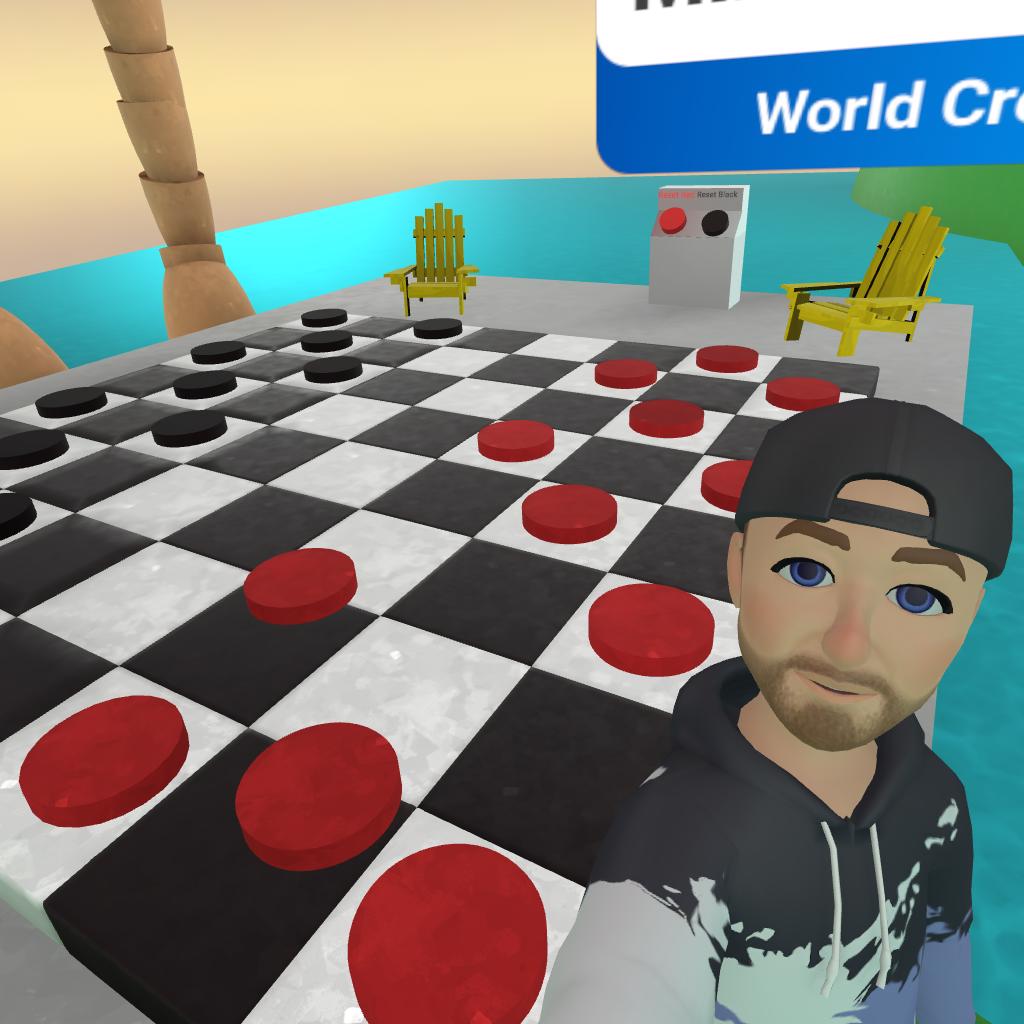
Some quick ideas that I may blog about later….
- Rec Room has a maker pen… What could a group of collaborators build/code/share with a pen that paints objects to be coded in VR? Time and space no longer need to be coordinated…
- Horizon Worlds… This is starting to take off with a community of adults (primarily). What happens when we open up this type of work to creating educational learning environments? Concepts in engineering, museums… The possibilities are endless.
- What about Tiltbrush? This requires being tethered to a computer, but realistically, students could paint biomes to develop immersive environments, they could paint settings of stories, or they could create their own VR museum to share understanding.
 EdTech Insider
Leave a comment